
When the Workout Stops Belonging to You
Performative Fitness vs Performance Fitness: Episode 3

ⓘ This is episode is part of a series. If you missed the previous episode, read it here.
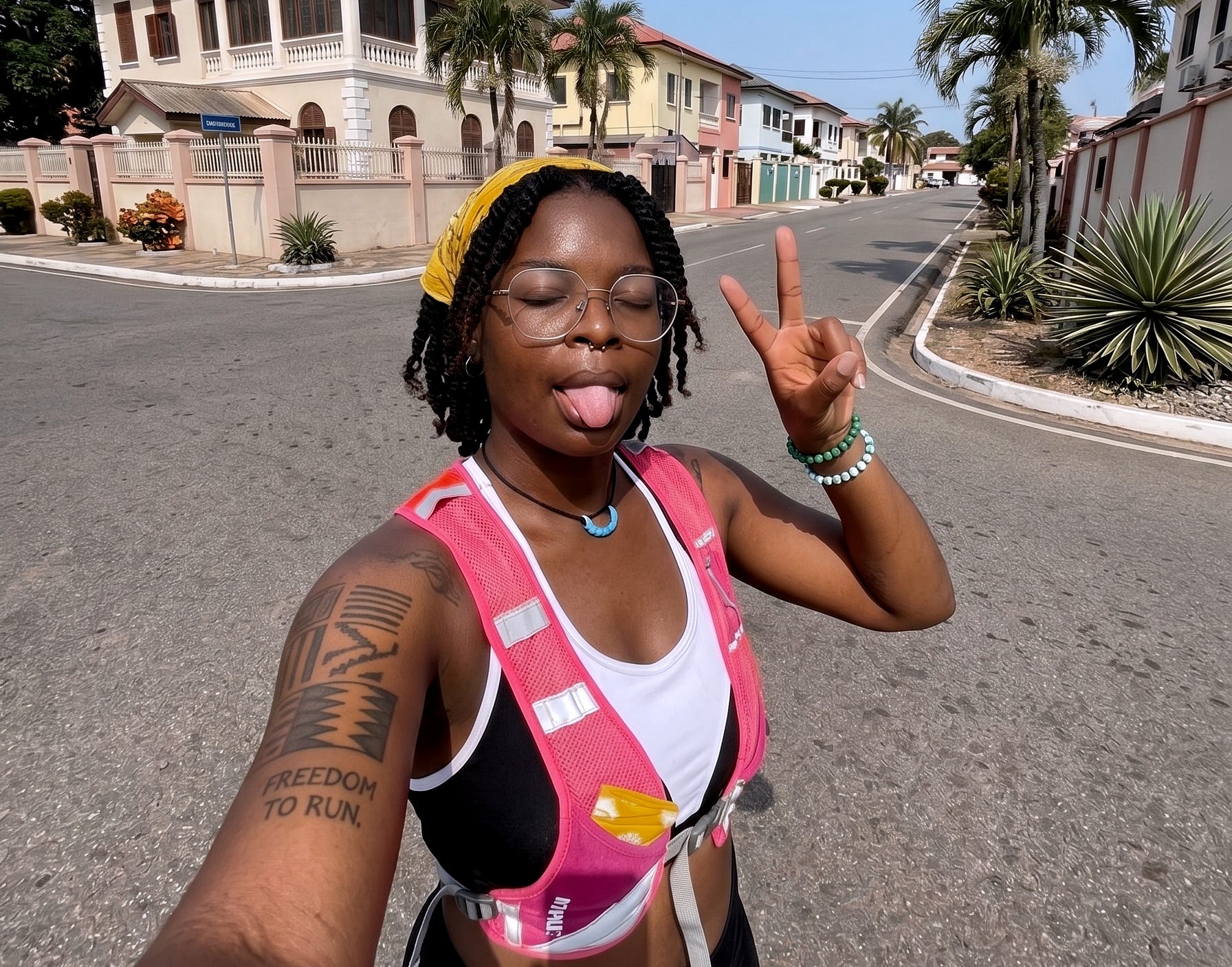
One of the strangest things social media has done to fitness is this: It has made people feel observed even when nobody is watching.
You can see it happening in real time!
Someone enters the gym quietly, puts on headphones, starts training normally. Then suddenly notices a mirror, adjusts posture slightly, changes expression, maybe even adds an unnecessary extra plate for the camera, not because they’re training harder,
but because they’re becoming aware of being seen.
And once fitness becomes partially performative, something subtle begins to shift psychologically: the workout stops being entirely yours. It becomes public-facing. This changes motivation in ways people rarely talk about.
For many creators (and increasingly ordinary gym-goers, too) fitness is no longer just about health or capability. It becomes intertwined with identity, validation, relevance, and social approval. Missing a workout no longer feels like simply missing a workout. It feels like breaking character.
When your audience associates you with discipline, motivation, grind culture, or “being locked in”, there’s pressure to continuously perform that identity online, even when reality becomes messy.
And reality always becomes messy eventually.
Some days your energy is low. Some weeks motivation disappears. Sometimes recovery matters more than intensity. Sometimes life gets overwhelming.
But social media rarely rewards moderation or honesty in those moments. It rewards consistency of image. So people learn to project optimisation even when they’re exhausted.
Meanwhile, many viewers quietly feel worse about themselves while consuming it, not necessarily because the creators are malicious, but because constant exposure to highly curated fitness lifestyles distorts our perception of what “normal” effort looks like.
Suddenly:
a balanced routine feels lazy,
rest feels unproductive,
walking feels insufficient,
and ordinary human inconsistency feels like failure.
At some point, wellness itself starts looking stressful. And underneath all of this is a deeper question that modern fitness culture rarely asks:
What happens when the pursuit of health begins damaging your relationship with yourself?
Genuine performance usually requires a strong internal relationship with your body:
understanding fatigue, respecting recovery, listening to signals, adapting intelligently, and progressing sustainably. Performative culture interrupts that relationship by constantly redirecting attention outward.
Ironically, the people who often make the most sustainable long-term progress are not the ones loudly broadcasting every workout. They’re usually the ones quietly building systems they can maintain without applause.
And that may be the biggest difference between performative fitness and performance fitness:
One depends heavily on being seen. The other still works perfectly when nobody is watching.
Now, let’s figure out how to identify content that’s actually beneficial to you. See you in Episode 4.
About This Segment
Every week, there’s a flood of new fitness advice, “breakthrough” routines, viral wellness hacks, and strong opinions dressed up as facts. Most people don’t have the time (or the context) to filter what matters from what’s just… loud.
WOTS Trending is your weekly peek into what people are really saying (and not saying) about fitness, performance, and longevity. It’s where the noise gets a little quieter, and things start to make a bit more sense.
Notifications On-The-Go
We’ve made it even easier to stay connected. For quick reads, performance tips, and updates from the Optimised Humans community while you’re on the move, join our WhatsApp Channel. You’ll get bite-sized insights, reminders, and early access to new articles — all delivered straight to your phone. Follow the link below and stay in the loop, wherever you are.
Remember to turn on notifications for the channel.